The One-Hour Potluck: How a Campground Dinner Becomes the Best Part of the Trip

Photo by Photo by Mick Kirchman on Unsplash on Unsplash
The invitation is the hard part, not the food
Every campground loop has that moment. The light goes gold, the bikes slow down, and somebody’s dinner smells a lot better than yours. A potluck is the obvious answer, but the word itself can make a family camper flinch. It sounds like a catering job with a side of small talk.
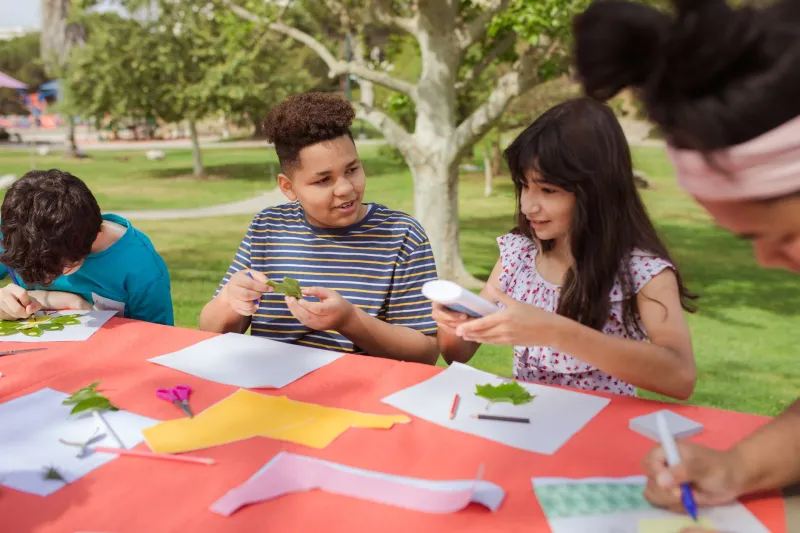
It does not have to. At Duncan’s Family Campground, the best potlucks we hear about are the ones nobody overplanned. One person puts a note on the camp store board. Another family brings a bowl of something. A few picnic tables get pushed together. That is the whole event. The goal is not a perfect spread. The goal is twelve neighbors, one table, and nobody stuck at their own site eating cold beans because they were too shy to walk over.
Pick one hour and protect it
Timing makes or breaks a campground potluck. Do not schedule it against the ranger talk, the ice run, or the evening bathhouse rush. Pick a simple window: setup at 5:30, eat at 6:00, fire by 7:00. That gives families with little kids an early exit and gives the grandparent crowd a comfortable chair before dark.
One hour of actual eating is plenty. If people want to linger, the campfire catches them. If they need to get a toddler to bed, they can slip away without feeling rude. A potluck with a clear start and a soft finish stays friendly.
The one-bowl rule
Ask every family to bring one shareable bowl or platter that feeds about six people. Not a full meal. Not a Pinterest project. One thing. That keeps the table varied and keeps any single camper from spending the whole afternoon chopping vegetables.
Good low-effort choices for a campground kitchen:
- A pot of chili or lentil soup made at home and reheated on the stove.
- Pasta salad with bottled dressing and whatever vegetables are in the cooler.
- Cornbread baked in a cast-iron skillet or picked up from a bakery on the drive in.
- Watermelon slices, grapes, or a bag of apples for the kids who will not touch a casserole.
- Hot dogs or veggie dogs for the grill, because there is always a kid who only eats two foods at camp.
- A big bag of tortilla chips and a jar of salsa. Nobody has ever been disappointed by this.
If you are in an RV with a real oven, bring the cornbread. If you are in a tent with a single burner, bring the fruit or the chips. The potluck works because the effort levels are allowed to be different.
Label it, chill it, and keep the spoons moving
Food safety at a campground potluck is mostly about two things: cold food stays cold, and hot food stays hot. Bring a cooler with ice for anything creamy, and do not leave the potato salad sitting in the sun while everyone talks about the weather. The USDA two-hour rule is a good one to keep in mind when the afternoon is warm. If a dish has been out a long time, let it go.
Allergy basics matter too, and they do not need to be a lecture. Put a small card or piece of tape on each dish with the name and a short ingredient note. Write “contains nuts” or “dairy-free” if you know it. Ask before you add a handful of pecans to the top of anything. A potluck is more fun when the parent of a kid with a food allergy can relax and fill a plate.
Bring a serving spoon for your own bowl. It sounds small until you are all standing there with a ladle and no clean utensil. Paper plates and compostable forks are fine, but many campground families bring their own reusable plates and cups. Either way, set out a trash bag and a recycling bag so the table does not turn into a pile of half-eaten cornbread and juice boxes.
Include the tent camper and the grandparent
A potluck can accidentally become an RV event. The family with the big awning brings the table, the family with the camp stove brings the burner, and the tent camper feels like a guest at someone else’s party. Fix that on purpose.
Text the tent campers ahead of time and ask if they need cooler space or a spot to keep a bowl cold. If you are in an RV, offer to boil water or hold a dish in the fridge. If you are in a tent, bring the thing that needs no refrigeration: bread, fruit, chips, or a jar of pickles. Nobody should feel like they cannot participate because they have less gear.
Grandparents are often the best potluck anchors. They have the folding chairs, the story, and the patience to sit at the table while the kids run laps. Ask them to arrive a few minutes early and claim the shady end of the table. Give the kids jobs, too: count the chairs, fill the water pitcher, carry the napkins. A job makes a kid feel like a host instead of a bystander.
Let the campfire finish the job
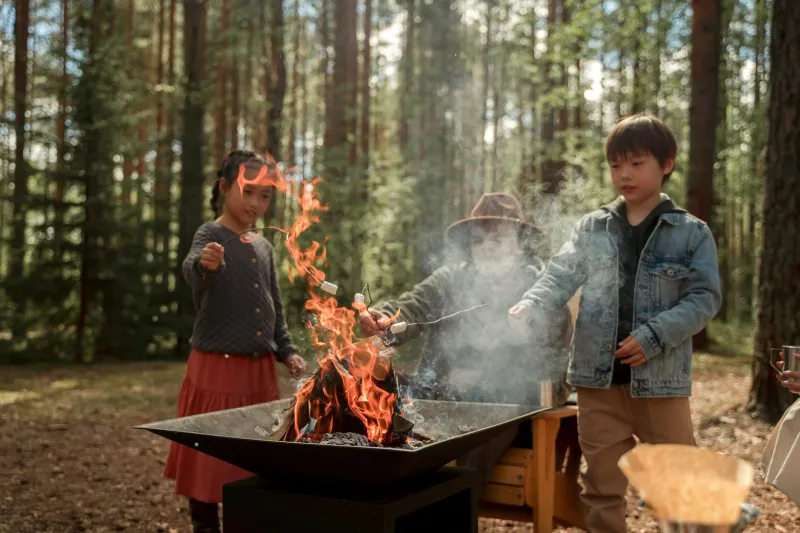
When the plates are cleared, do not rush the goodbye. Build the fire, put out the marshmallows, and let the potluck turn into the thing it was always meant to be: a bunch of families sitting in a circle, trading campground advice and stories about the one that got away.
The best potluck at a family campground is not the one with the most dishes. It is the one where a family who arrived as strangers walks back to their site saying, “We should do that again tomorrow.” One bowl, one hour, twelve neighbors. That is a good night at camp.