Thirty Ways to Wear Out Your Kids at the Campground (Without a Single Screen)
At Duncan's Family Campground, we’ve noticed something reliable: kids who are given a mission will walk farther, ask better questions, and fall asleep faster. That’s the whole idea behind this campground scavenger hunt. It isn’t a worksheet to keep kids quiet. It’s a loose, printable challenge that gets families poking around the campsite, the trailhead, and the camp store — no screens required.
The Setup (Five Minutes, Tops)
Print one sheet per team, or copy the list onto a paper plate if the printer stayed home. Put kids in teams of two to four, mix ages when you can, and assign one adult as a floating judge. Set a 90-minute window. The goal is not to “win” so much as to come back with stories. We like a simple point system: one point per find, two for a challenge, and a bonus point for making the judge laugh.
The List: 30 Things to Find, Do, and Laugh About
Nature Finds (1–10)
- A feather that isn’t from a duck at the pond.
- A spiderweb you can see without touching it.
- An acorn, pinecone, or seed pod.
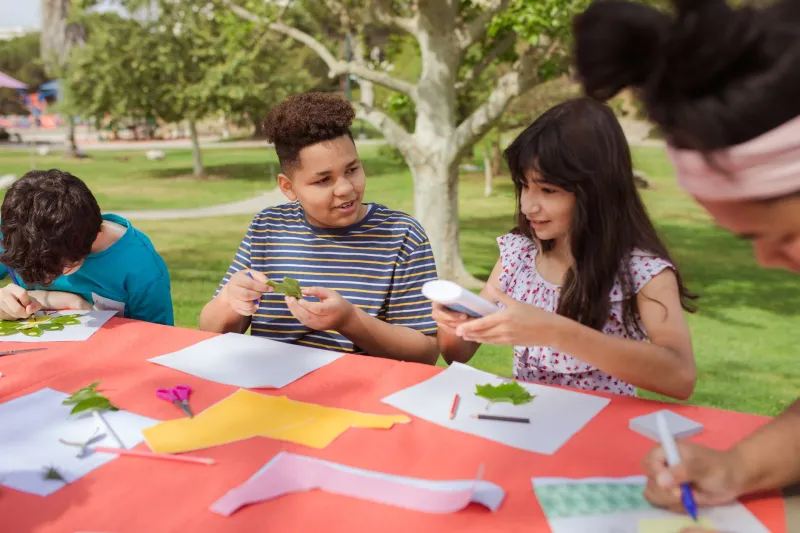
- Three leaves that are all different shapes.
- A stone that fits in a pocket and feels smooth.
- Evidence of an ant trail — watch, don’t poke.
- A tree with bark that looks like a map.
- A cloud shaped like food.
- A place where water would collect after rain.
- A sign of an animal that isn’t a squirrel (tracks, nibbled leaf, burrow).
Campground Challenges (11–20)
- Balance on a fallen log for ten seconds.
- Skip a stone three times — or try three times and laugh.
- Build a fairy house from loose sticks and leaves.
- Interview a camp host: ask their favorite campfire food.
- Help stack firewood at your site.
- Find the campground map and locate your site on it.
- Count ten tent stakes in your loop.
- Learn one bird call from a parent or a park sign.
- Walk heel-to-toe along a painted line.
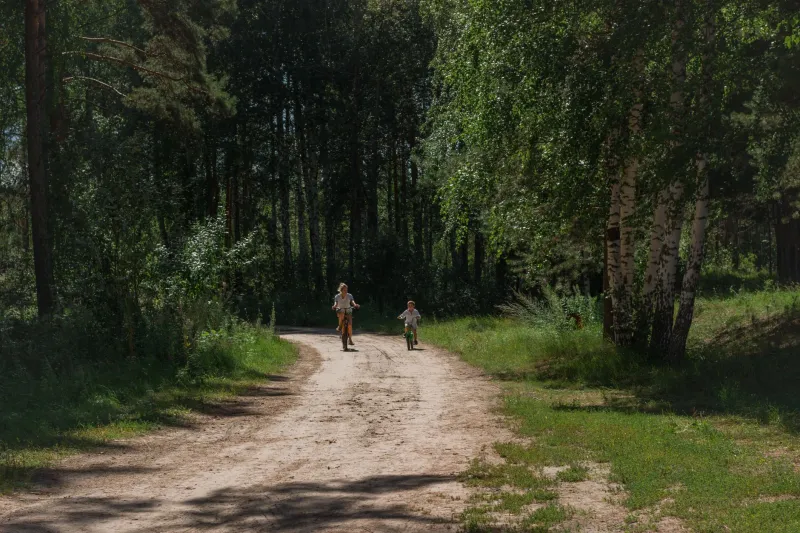
- Wave to every passing bike and see who waves back first.
Silly Stuff (21–30)
- Tell a knock-knock joke to a grown-up you don’t know (with your adult nearby).
- Find a stick shaped like a spoon.
- Speak in a 'campground accent' for five whole minutes.
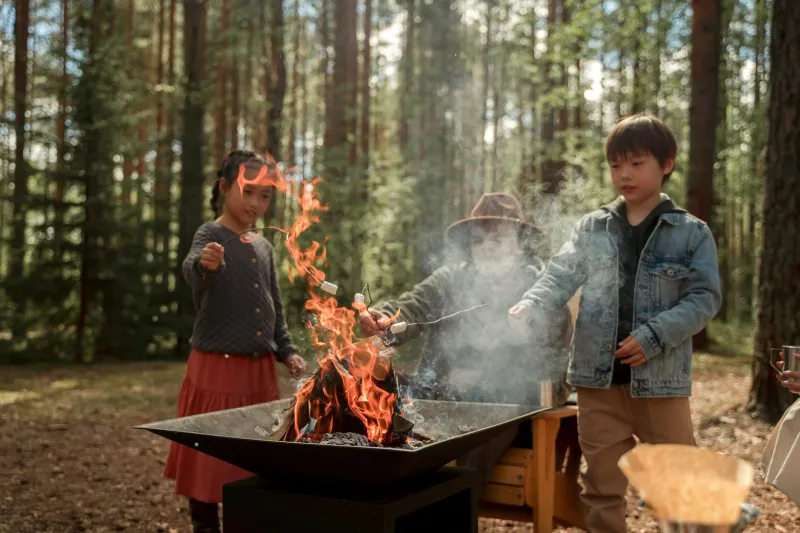
- Make up a two-line song about marshmallows.
- High-five someone wearing camo.
- Do a dramatic reading of the fire safety sign.
- Build a campground mascot from found objects — leave it on your picnic table.
- Draw a map of your campsite from memory.
- Find something older than you are (ask a grown-up to confirm).
- Return to base and teach the group one thing you learned.
How to Run It as a Team Game
Keep the competition gentle. Teams can split the list, but they have to regroup at the picnic table every 30 minutes. That gives younger kids a home base and older kids a chance to compare notes. The adult judge can award “kindness points” for helping another team, sharing a pencil, or warning someone about a root. At the end, hand out paper awards: Best Detective, Loudest Laugh, Most Likely to Talk to a Camp Host.
Adapting for Ages 4–14
For ages 4–6, cut the list to 12 items and draw tiny pictures next to each one. Pair them with an older buddy for the interview and map challenges. Ages 7–10 can handle the full list with a clipboard and a pencil. Ages 11–14 often want more autonomy, so give them a time limit, a map, and one “mystery item” you add at the last minute — say, “find something that would make a good campfire story.” The age gap is a feature, not a bug: younger kids bring enthusiasm, older kids bring navigation.
Rainy-Day Remix
If the weather turns, shrink the hunt to the camper, the pavilion, or the camp store. Use the same categories but swap outdoor items for indoor ones: a game with missing pieces, a mug with a chip, a book someone left behind. Add charades, a campground trivia round, and a “draw your favorite campsite memory” challenge. The point is to keep the ritual, not the route.
Why It Works
A scavenger hunt gives kids permission to be curious in a place that isn’t home. They learn the loop, meet the camp host, and burn off the kind of energy that usually comes out at bedtime. And parents get something rare on a camping trip: a quiet hour with a cup of coffee, watching the team game unfold.
Print the list, pack a pencil, and let the campground do the entertaining.