Three Nights Is the Sweet Spot: Rethinking the Family Camping Weekend
At Duncan's Family Campground, we hear the same story every season: a family books two nights, arrives Friday after work, spends Saturday trying to cram in every activity, and leaves Sunday more tired than they came. We think there’s a better default for 2026. Call it the three-night standard: Thursday to Sunday, or Friday to Monday if that fits your schedule. Three nights gives young families enough room to settle in without crossing into the zone where everyone starts missing their own beds.
The Case Against Two Nights
Two nights sounds efficient. In practice, it’s a setup-and-teardown drill. Friday afternoon disappears into parking, leveling, and finding the firewood. Saturday becomes a pressure cooker of “we have to do everything today.” Sunday morning is packing, not relaxing. By the time the kids are finally comfortable with the campground, it’s time to leave. That’s not a vacation; it’s a very expensive change of address for 36 hours.
The Case Against Four Nights
Four nights can be wonderful — for older kids, retired grandparents, or families with nowhere to be on Monday. But for many families with young children, the fourth night is where routines fray. Laundry piles up. Nap schedules drift. The cooler gets suspicious. And the cost of an extra night, plus an extra day off work, can make a great trip feel like a stretch. Three nights hits the sweet spot: long enough to relax, short enough to stay excited.
The 72-Hour Template
Thursday: Land and Settle
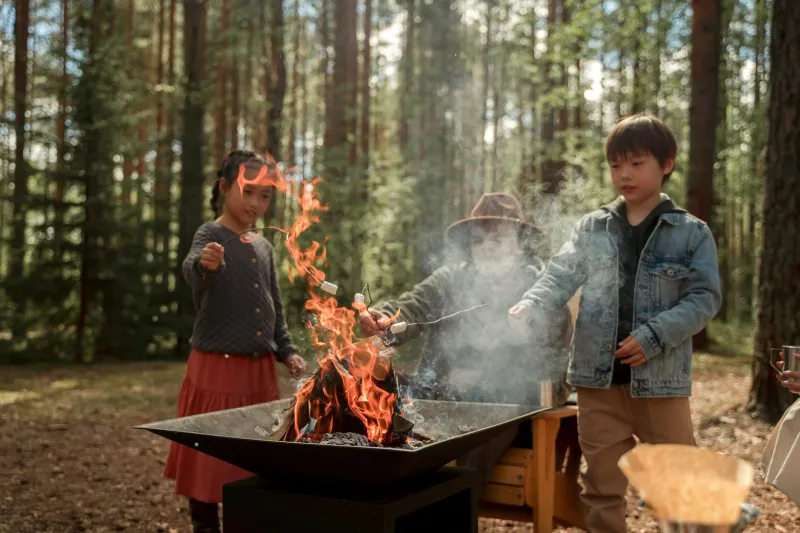
Arrive between 3 and 5 p.m. if you can. Set up camp while the kids explore the loop with one adult. Keep dinner simple — foil packets, hot dogs, or a pre-made pot of chili. Build one small fire, toast marshmallows, and put everyone to bed early. The first night is not for adventure; it’s for landing.
Friday: Adventure Day
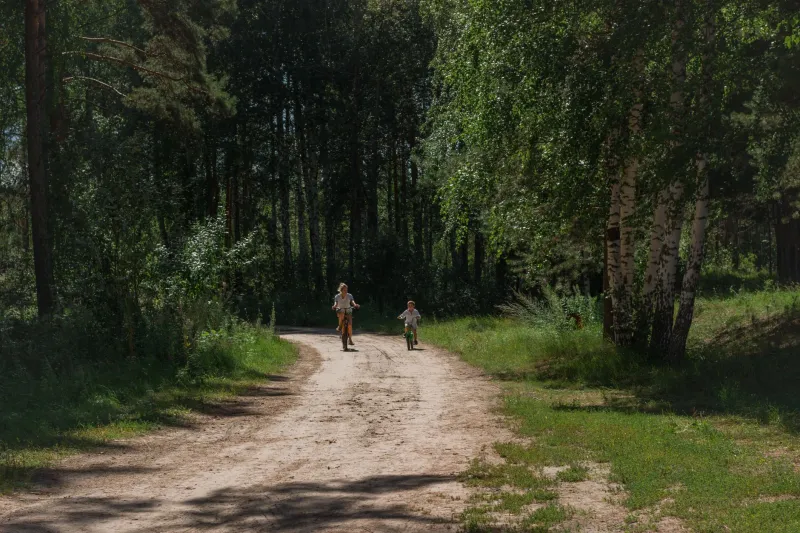
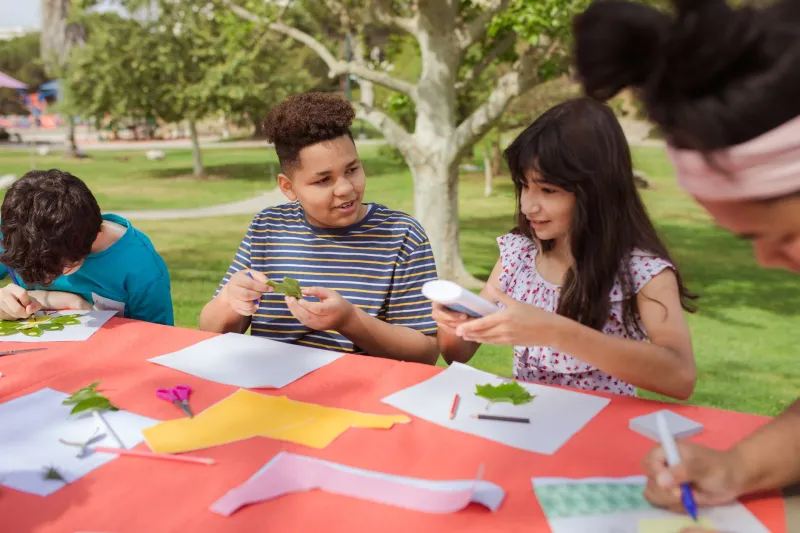
This is your big day. Pick one anchor activity — a hike, a swim, a bike loop, a nature center — and build the rest around it. Come back to camp for a late lunch and quiet time. In the afternoon, let the kids choose between the playground, the camp store, or a campground scavenger hunt. Dinner can be burgers or pasta. Fire, stories, bed.
Saturday: Lazy Morning, Easy Afternoon
Sleep in a little. Make pancakes. Let the kids play around the site while you drink coffee that is still hot. Save the afternoon for a short walk, a card game, or a nap. This is the day that makes the trip feel like a vacation instead of a schedule. If you have energy, join a campground activity; if not, skip it.
Sunday: Pack and Go
Eat breakfast, pack up, and aim to leave by 11 a.m. A relaxed exit beats a frantic one. If you can, do a quick loop walk before you go so the last memory is the campground, not the cooler.
Packing List Scaled to Three Nights
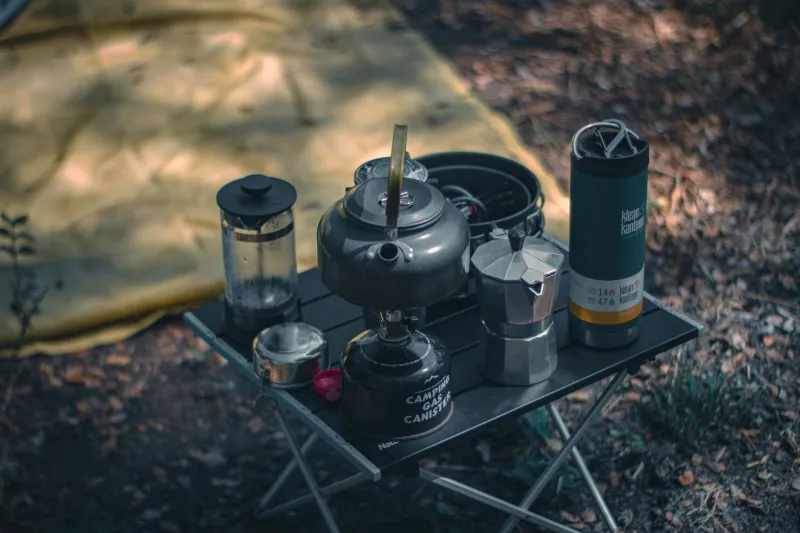
Three nights means you need less than you think, but more than a day trip. Pack one outfit per day plus one extra, layers for cool evenings, rain jackets, and closed-toe shoes. Bring sleeping bags or bedding, pillows, and a small mat for the tent door. For the kitchen: one pot, one skillet, a cutting board, a knife, utensils, plates, cups, and foil. Plan two breakfasts, two lunches, and two dinners, plus snacks. Don’t forget headlamps, bug spray, sunscreen, a first-aid kit, fire starters, and a deck of cards. One small bin per person keeps the car sane.
Booking Thursday–Sunday
If your schedule allows, book Thursday arrival and Sunday departure. You beat the Friday rush, get a full adventure day on Friday, and still have the weekend. Ask about minimum-night policies and early check-in. In 2026, many campgrounds open reservations months ahead, so book as soon as your school calendar is settled. If Thursday isn’t possible, Friday–Monday works just as well — the point is three nights, not the specific dates.
When Three Nights Doesn’t Fit
A local campground 30 minutes from home? Two nights is fine. A once-a-year trip with teenagers? Four nights might be better. But for most families with kids under 12, three nights is the default we recommend. It’s long enough to unwind, short enough to avoid burnout, and flexible enough to fit a real weekend.
That’s why we’re calling it: the three-night camping trip is the new family standard. Not because it’s trendy, but because it works.