Read the Shelves Before You Book: A Campground Store Checklist for Families

A campground website can make a gravel loop look like a national park lodge. The photos are clean, the fire pits are glowing, and nobody in the gallery is looking for the missing tent stake. That is fine. Marketing is marketing. But if you want to know how a campground really operates, skip the photo gallery and walk into the general store.
The store is harder to stage. It is where management’s priorities show up in inventory, where staff habits show up in the shelves, and where the difference between a family-friendly campground and a family-tolerated campground becomes obvious. After enough trips, we have learned to read a campground store like a trail map. Here is the 12-item checklist we use.
Why the General Store Beats the Photo Gallery
Photos tell you what a place wants to be. The store tells you what it is ready for. A store that stocks what campers actually forget is a store that expects real families to show up with real problems. A store that only sells souvenirs and soda is telling you something too.
This is not about size. A tiny camp store with a good freezer, a firewood pile, and a staff member who knows the weather can beat a big gift shop with nothing useful on the shelves. For families, especially on arrival night, useful beats cute every time.
The 12-Item Checklist
-
Ice that is actually frozen—and plenty of it. A store that runs out of ice by Saturday afternoon is not paying attention. Bagged ice is the cheapest hospitality a campground can offer. If the freezer is well stocked and the bags are solid, that is a good sign for the whole weekend.
-
Dry, local firewood sold in reasonable bundles. Damp firewood is a campfire killer. Local firewood matters too, since many states have rules about moving wood to protect trees from pests. A store that sells dry bundles and knows the local rules is doing the basics right.
-
Marshmallow sticks, including cheap ones or loaners. Every family forgets the marshmallow sticks at least once. A store that sells long metal skewers, wooden sticks, or even a loaner bucket is a family campground tell. It means they know how s’mores night actually goes.
-
Matches and lighters within sight of the register. This is a small thing until you are the person who drove six hours and forgot the lighter. A store that keeps matches and lighters easy to find understands arrival-night panic.
-
Batteries in the sizes headlamps actually use. AA and AAA are the campground currency. D batteries show up in big lanterns. A shelf with a sad pack of coin cells and nothing else suggests the store has not thought much about actual campers.
-
Bug spray, tick tweezers, and calamine lotion. This is regional proof. A store that stocks tick tweezers and calamine knows what happens after a walk through tall grass. It is not glamorous inventory, but it is family inventory.
-
Sunscreen and aloe, not just souvenirs. Families burn. Kids burn faster. A store that has sunscreen near the register and aloe on the shelf is ready for the actual day, not just the vacation photo.
-
Trail maps with handwritten notes or current conditions. A printed map is fine. A clipboard with a staff member’s notes about a washed-out bridge or a good kid-friendly loop is better. If the person at the counter can tell you which trail is muddy and which one has a swimming hole, you have found a useful store.
-
Kid snacks that go beyond candy. Fruit pouches, crackers, granola bars, and pretzels are not fancy. They are peace. A store with only soda and candy is a store that has not spent much time with hungry kids at 4 p.m.
-
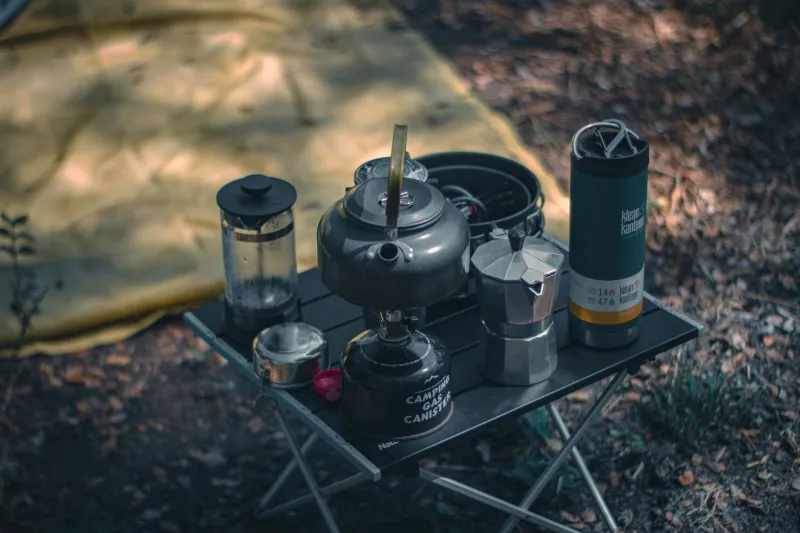
Coffee that works for tent and RV campers. Ground coffee, filters, creamer, and maybe a few cold brew cans. A store that stocks filters understands that someone forgot theirs. Morning sanity is a campground service, even if it comes in a small paper bag.
-
Rain ponchos and dry socks. Weather turns. A store with ponchos, extra socks, and a few dry towels is not being pessimistic. It is being prepared. Families remember the campground that saved them from a soggy hike.
-
Basic repair bits and first-aid refills. Duct tape, zip ties, fuses, gauze, and antiseptic wipes. A small hardware drawer and a first-aid shelf tell you the campground expects real life to happen. That is a good thing.
How to Use This Checklist Before Booking
You do not need to demand a full grocery store. Most campground stores are small, and that is part of the charm. The checklist is about care, not square footage.
Call ahead and ask a few simple questions. Do you sell ice and firewood? Do you carry marshmallow sticks or loaners? Is there a map of the local trails? Are there any camp rules about food storage or wildlife? The answers will tell you more than a shiny homepage.
Read recent reviews for mentions of the store. Look for comments like “they had everything we forgot” or “the staff pointed us to a great swimming hole.” Those are better signals than a photo of a welcome sign.
The Old-School Charm Worth Paying For
The best campground stores feel like a neighbor’s garage with a cash register. There is a handwritten sign about firewood. There are freezer pops next to the bug spray. Someone behind the counter knows which site floods when it rains.
When you find a store like that, support it. Buy the ice, the firewood, the extra marshmallow sticks, and the coffee filter you forgot. Then go back to your site and enjoy the trip. The shelves already told you it was going to be a good weekend.