Roll In, Set Up, Breathe: A Calm First Hour at the Campsite
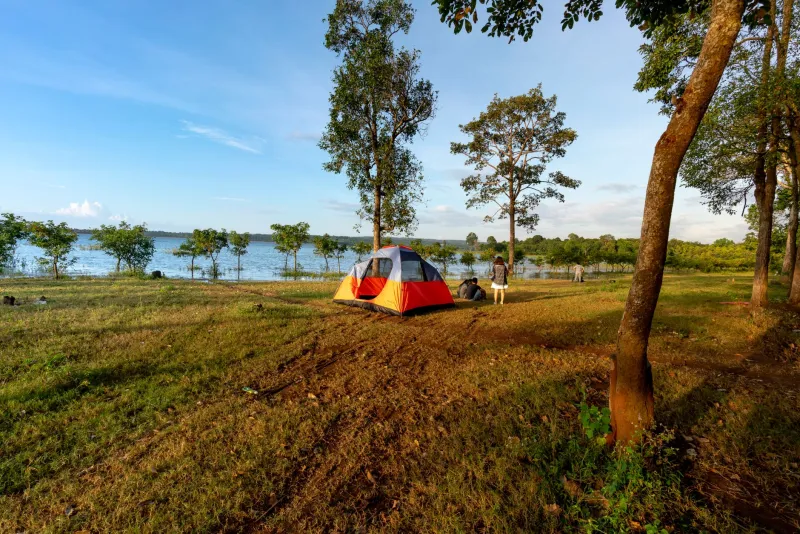
Pulling into a campground with kids in the car is a strange mix of relief and chaos. You have been driving for hours, everyone is hungry, and the site that looked huge on the booking screen now looks like a puzzle box with a picnic table. The first hour can decide whether the trip starts with a campfire and a deep breath or a lot of snapping at each other over a missing tent stake.
Here is a flexible 60-minute arrival plan for RV and tent families. It is not a military drill. Skip steps, swap them, or stretch the clock if you roll in late. The order matters more than the clock: safety first, shelter second, food third, and pretty last.
Before You Park: Hand Out Jobs in the Car
About five minutes before you reach the site, assign jobs. This cuts down on the moment when everyone spills out of the vehicle and stands around asking where the hot dogs are.
Good kid jobs include spotter, leveling-block helper, bin captain, lantern lighter, snack boss, and bathroom scout. Adults get the big stuff: parking, hookups, tent poles, and stove setup. The point is not free labor. The point is fewer people in the roadway and more people moving in the same direction.
Minute 0-10: Park, Look Around, and Do the Safety Sweep
Before anyone claims a bunk or unzips a tent bag, take a slow walk around the site. Look up for dead branches. Look down for glass, poison ivy, fire ants, and standing water. Check the fire ring, the picnic table, the electrical pedestal, and the water spigot. Find the bathroom, the trash bins, and the nearest road crossing.
This is also when you check the reservation tag and make sure you are on the right site. It happens to the best of us.
Keep kids in a marked zone while an adult does the sweep. The picnic table or the vehicle is fine. Give them one job like counting the fire ring stones or holding the flashlight. A ten-minute safety check can prevent a whole evening of problems.
Minute 10-25: Put the Big Pieces in Place
Now split into two crews. One crew handles shelter. The other handles the kitchen staging area. Do not try to do everything at once.
For RV families, that means leveling, chocking, unhitching if needed, and getting the utilities connected. For tent families, it means clearing the tent pad, laying the footprint, raising the tent, and staking it out before the rainfly. If the ground is hard or the wind is picking up, do the stakes first and worry about the perfect pitch later.
The goal is a safe place to sit and sleep, not a magazine spread. Kid jobs at this stage are simple: set out sleeping bags, hang a lantern, carry the camp chairs, or organize the shoe bin. Keep the jobs small enough that they can actually finish them.
Minute 25-40: Build the Kitchen and Water Station
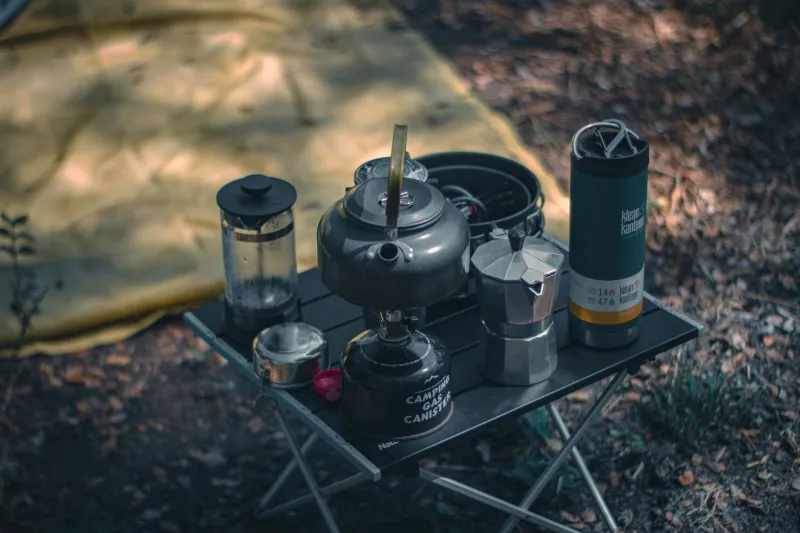
Meals are where arrival night usually falls apart. Set up the stove on a level table, away from the tent walls and anything that can catch a breeze. Find the fuel, the lighter, the utensils, and the pot you actually plan to use. Fill the water jug and set out cups. Put out a trash bag and a small wash bin before the first plate gets dirty.
If you packed an arrival bin at home, this is its moment. That bin should hold the stove lighter, coffee, a small pot, dish soap, a towel, trash bags, and a few easy snacks. It saves you from unloading every single tote while everyone complains about being hungry.
Keep food in bins or in the vehicle, depending on wildlife rules at the campground. This is also a good time to start water for morning coffee, even if you are ordering pizza tonight.
Minute 40-55: Start the First Meal Before the Meltdown
Feed the kids a snack first. Then start the simplest meal you brought. Hot dogs, canned chili, quesadillas, pasta, grilled sandwiches, or foil packets all work. The first meal does not need to be a production. It needs to happen before everyone gets too tired to eat.
If it is dark, raining, or later than you planned, move this step earlier. Sometimes the smartest arrival plan is to eat sandwiches at the picnic table before you even unhitch. Nobody ever regretted eating early.
Hydrate everyone, too. Road-trip dehydration looks a lot like a bad attitude. A water bottle and a five-minute sit-down can reset the whole family.
Minute 55-60: The Five-Minute Reset
Before you light a fire or collapse into a chair, do one last walk around the site together. Point out the boundaries. Show the kids where the bathroom is and where they should not go without an adult. Set out headlamps and a flashlight for each person. Put the chairs where people will actually sit.
If the kids are wired, send them on a short lantern walk with an adult. If everyone is fried, skip the fire. The campfire will still be there tomorrow night.
When the Plan Goes Sideways
Rain, late arrival, a wrong turn, a missing tent pole, a toddler meltdown in the dirt—it happens. When it does, go back to the order: safety, shelter, food, pretty. Eat before you set up the decorative lights. Put the kids in the sleeping bags before you organize the cooler. Leave the fancy camp kitchen for morning.
The first hour is not about proving you are good at camping. It is about getting your family to the part where someone looks up at the trees and says, “Oh yeah, this is why we came.” Get through the setup, feed the people, and save the perfect site photos for later.