Three Generations, One Campsite: A Practical Plan for Grandparents, Parents, and Kids
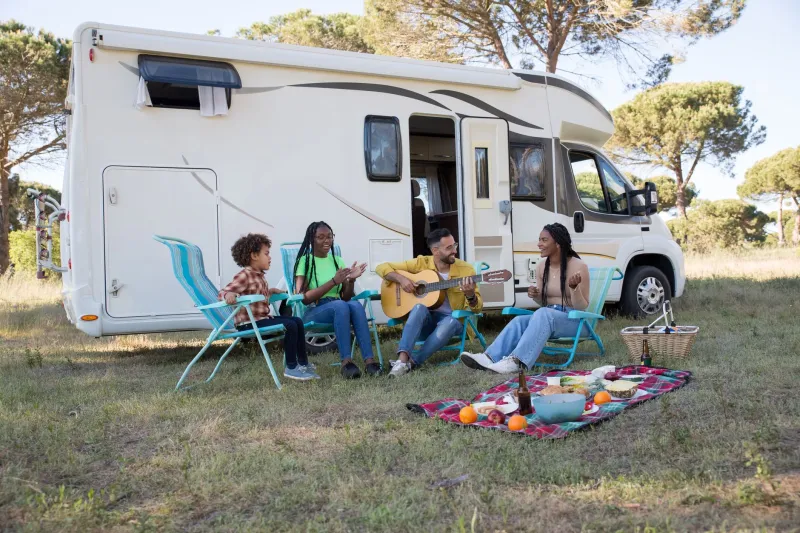
The first time we tried a three-generation camping trip, the campfire went quiet at 8:45 p.m. Not the good kind of quiet. Grandpa was asleep in his chair, our youngest was melting down because the marshmallows were gone, and the middle generation—us—was trying to decide whether to call it a night or push through. The trip was not a failure. The plan was. A campsite can hold grandparents, parents, and kids beautifully, but only if you stop treating it like a normal family camping trip with two extra chairs.
Let the Site Do the Heavy Lifting
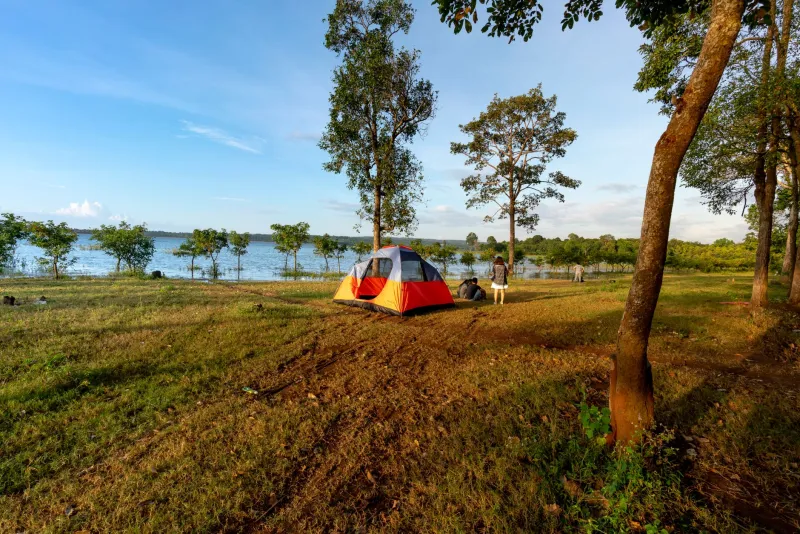
Start with geography, not activities. For a three-generation trip, the right site is worth more than any itinerary. Look for a level pad with easy vehicle access, a picnic table with room to spread out, and shade that arrives before lunch. Being close to the bathhouse matters, but close has a range: roughly a two- to three-minute walk is usually better than sharing a wall with the hand dryer. If grandparents use a cane, walker, or just prefer not to navigate roots in the dark, scout the route in daylight and bring a small flashlight for every tent.
Book two sites if the group is larger than four or five. Side-by-side sites can feel like a family compound without forcing everyone into one camper. Check the campground map for a quiet loop, and ask the office where the playground traffic cuts through. A site near the action is great for kids and less great for a 7 p.m. grandparent nap. If you cannot get perfect, choose shade and level ground over proximity to the pool.
Pace the Day in Layers
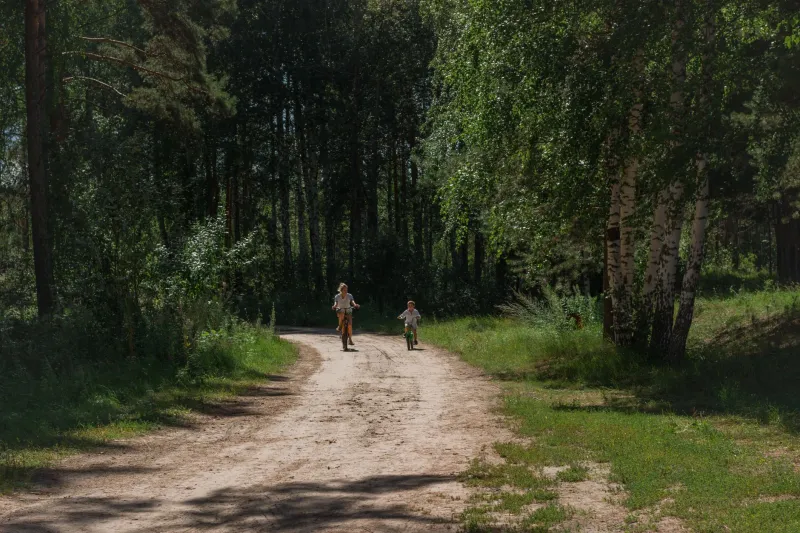
The biggest mistake in multigenerational camping is building a schedule for the most energetic person in the group. Instead, plan the day in layers: one active block, one rest block, one flexible block. Mornings are usually best for the walk, the fishing dock, or the short hike. Midday belongs to shade, books, cards, and a real lunch. Late afternoon can be a second small outing or a bike loop. Evening is the campfire, but not a three-hour production.
Do not schedule every hour. Leave room for the grandparent who wants to sit and watch the campground wake up and the kid who wants to ride the same loop six times. If the family wants one bigger activity, put it on the second full day, not arrival day. Arrival day is for setting up, finding the bathroom, and learning which camp chair squeaks.
Pack Gear That Bridges Generations
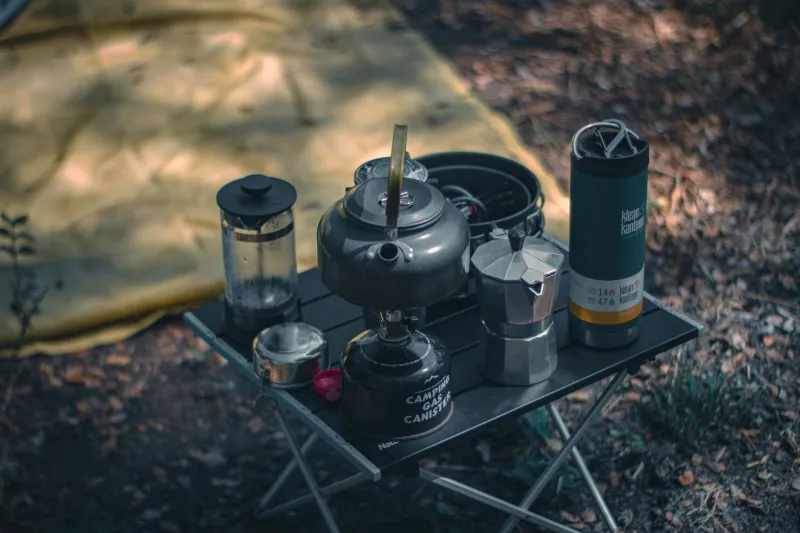
You do not need a second household’s worth of equipment. You need duplicate comfort. Bring chairs with arms—they are much easier for grandparents to get out of—and at least one firm cot or thick pad for anyone who struggles with a thin sleeping mat. A battery-powered lantern beats a phone flashlight for late-night bathroom runs. A small percolator or electric kettle can make the morning feel civilized without a full kitchen setup.
For kids, bring their own small headlamp, a camp journal, and a job. For grandparents, pack medications in a clear pouch, a light jacket for the temperature drop after sunset, and any mobility aid they use at home. A pop-up canopy is often the single best purchase for a three-generation trip; it creates a shared room without walls. If someone needs white noise or a CPAP, check the site’s electrical hookup before you book.
Say Quiet Hours Out Loud
Campground quiet hours are usually posted, but family quiet hours need to be agreed on before the first night. If grandparents sleep in a trailer and kids sleep in a tent, put the tents slightly apart. If everyone is in one camper, bring headphones and a small fan. Explain to kids that quiet does not mean boring; it means the card game moves to the picnic table and the flashlight goes under the sleeping bag.
Be realistic about wake-up times. Grandparents may be up at 6 a.m. making coffee while kids sleep until 8. That is fine if the coffee setup is away from the tent. The goal is not a silent campground. The goal is that nobody spends the whole trip shushing someone else.
Give Everyone a Role That Matters
Grandparents often get cast as guests when they would rather be useful. Ask them to own the coffee, the campfire checklist, or the evening story. Parents can handle reservations, meals, and the first-aid kit. Kids can be the firewood quartermaster, the table setter, the weather watcher, or the official photographer. A role gives everyone a reason to move through camp with purpose.
Write the roles on a sticky note if you need to. The point is not chore charts. The point is to avoid one person—usually a parent—doing all the invisible work while everyone else waits to be entertained.
Build In a Bailout
Finally, know where the nearest town is and what you would do if the weather turns or someone needs a real bed. A three-generation trip does not have to be an endurance test. A short drive for ice cream, a covered pavilion, or an early departure can save the memory. The best family camping trips are not the ones with the fullest schedule. They are the ones where everyone has a place to sit, something to do, and permission to rest.