The Dirt-Tested Toy Shortlist: What Earns a Seat in the Camping Bin
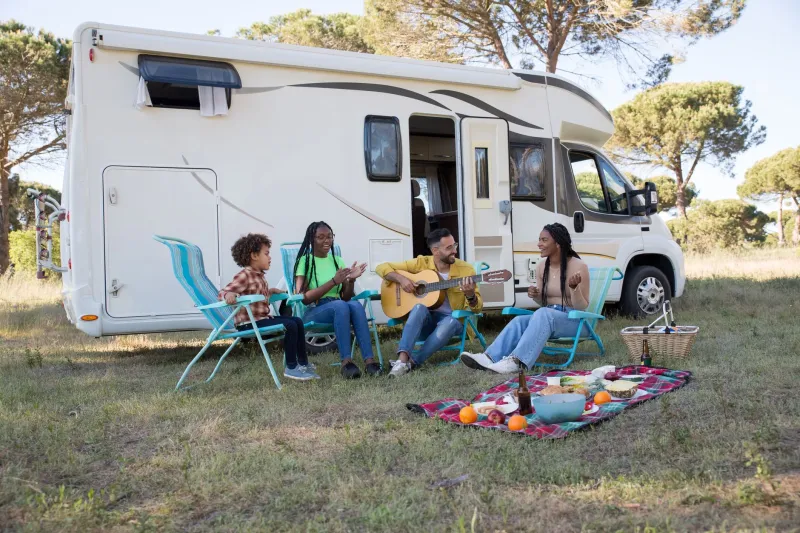
Every family campsite has a moment when the car door opens and the toy situation reveals itself. A bin tips over, a remote-control truck finds the only patch of gravel, and a 300-piece craft kit becomes confetti. The problem is rarely that kids need more toys at camp. It is that the wrong toys come along. This is a shortlist for the bin that actually earns its space in the trunk.
The Three-Question Screening Test
Before any toy gets packed, run it through three questions.
- Can it survive a drop from the picnic table onto gravel?
- Does it need batteries, a charger, or a perfectly flat floor?
- Will it start a negotiation with a sibling, a neighboring site, or a tired parent?
If the answer is no to the first question, yes to the second, or yes to the third, it stays home. This test is not about being anti-fun. It is about being pro-campsite. A toy that needs a clean, quiet, level room is not a campground toy. A toy that can be dropped, dragged, and dusted off is.
Seven Toys That Earn Their Space
1. A soft flying disc or foam ball
Best for ages 4 and up at open-field sites. A foam ball or soft disc flies far enough to be fun, but it will not leave a mark on a little cousin or a camper's windshield. It packs flat, works in wind, and needs no instructions. Add a second one if you have two kids who both want to be the thrower.
2. A metal bucket and a sturdy hand trowel
Best for toddlers and early elementary kids at dirt or sand sites. The cheap plastic bucket from the dollar bin cracks by Saturday morning. A small metal bucket and a real hand trowel survive digging, hauling, and being left out in the rain. This is the toy that turns a patch of dirt into a construction site.
3. A bug catcher with a magnifier
Best for ages 5 to 10 at wooded sites. A clear bug jar with a lid and a built-in magnifier gives kids a reason to slow down and look under logs. It also gives parents a useful line: catch and release, not catch and keep. Toss in a small field guide if your kid likes to name things.
4. A waterproof card deck
Best for rainy afternoons, quiet time, and tweens who are too cool for toys. A plastic-coated deck of cards handles damp picnic tables and sticky fingers. Uno, Go Fish, and simple rummy are all campground classics. This is also the toy that works when the campground pool closes and everyone needs a low-stakes distraction.
5. Glow wands or small rechargeable lanterns
Best for evenings, all ages. A few glow wands make after-dinner play visible without turning the campsite into a laser show. Rechargeable mini lanterns are even better because they double as night-lights for the tent. Skip the loud light-up toys with sirens. The campground already has enough sounds.
6. Sidewalk chalk
Best for ages 3 to 9 at paved pads. Chalk is cheap, light, and endlessly reusable on asphalt. Kids can draw roads, hopscotch, or a giant map of the campground. It washes away with rain, which is the best kind of mess. Check with the camp host before decorating a shared pad, and keep it off picnic tables.
7. A compact single-line kite
Best for windy, open sites and ages 6 and up with adult help. A small kite in a stuff sack takes up almost no room and gives kids a reason to look up instead of down at a screen. It is also a good lesson in patience. If the wind dies, the kite goes away without a meltdown. If the wind picks up, you look like a hero.
Three Toys That Stay Home
The remote-control car
It needs a flat surface, fresh batteries, and a clear runway. Campground roads are dusty, uneven, and full of people. The car will either flip, stall, or annoy the neighbors. Leave it for the driveway.
The giant plush or ride-on toy
A stuffed animal the size of a sleeping bag takes up space and soaks up dirt. A ride-on toy needs pavement and storage. Both are fine at home. At camp, they become car Tetris problems.
The 500-piece craft kit
Tiny pieces and outdoor surfaces are a bad match. One gust of wind and the craft kit is a scavenger hunt. If your kid needs a creative outlet, pack a blank notebook and a small pouch of colored pencils instead.
The Diplomatic Toy Draft
The hardest part is not choosing the winners. It is leaving the rest at home without a family debate. Try a toy draft. Let each child pick two personal toys for the camp bin. Then add three shared toys that everyone agrees on. The bin is the bouncer. If it does not fit in the bin, it does not ride in the car.
A photo of the packed bin helps, too. When someone asks for the giant stuffed dinosaur at the last minute, you can point to the picture and say, 'The bin is full. Dinosaur is on vacation at home.' It sounds silly, but it works better than a lecture.
Match the Toy to the Site
A wooded site with dirt and trees calls for bug catchers, buckets, and chalk on the picnic table. An open-field site calls for kites and soft discs. A paved pad calls for chalk and card games. The best campground toy is not the most expensive one. It is the one that fits the ground under your feet and the mood of the people around you.