Checkout Morning Without the Meltdown: A Family's Calm Pack-Out Routine
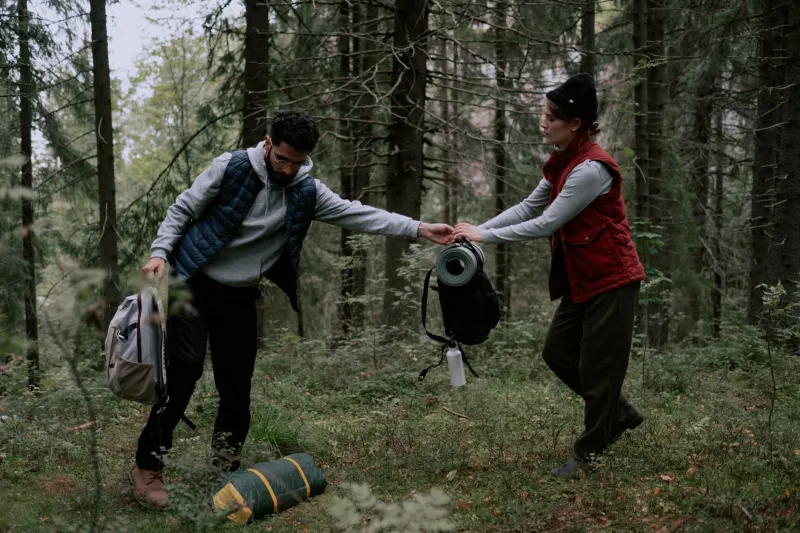
Most trip planning happens before the first mile. We obsess over the reservation, the packing list, the route, and the setup. Then checkout morning arrives, and suddenly everyone is standing around the picnic table holding one sock and a half-eaten bag of marshmallows while the camp host circles the loop. At Duncan's Family Campground, we have watched a lot of families leave. The good exits rarely happen by accident. They happen because someone thought about the last hour before it became the last ten minutes.
This is not a speed contest. A calm checkout is mostly a sequence: a little prep the night before, clear jobs for everyone, one last walk, a leave-no-trace sweep, and a drive home that accounts for tired kids. Here is the routine we recommend for families who want to close camp without turning it into a small crisis.
Start the Night Before, Not at 9:55 A.M.
The best checkout mornings begin around the fire the night before. Before bedtime, do a gentle pass through the site and pack anything you will not need: extra towels, the board game nobody played, the second pair of shoes, the lantern you bought at the camp store. Leave out only what you need for breakfast, coffee, and the drive.
Stage the car bins near the vehicle. Charge phones and tablets. Check the weather for the route home. Fill water bottles. If you have a cooler, decide what will be thrown out, what will be eaten for breakfast, and what will travel home. This is also the moment to tell the kids the plan. Not a lecture. Just a short preview: 'Tomorrow we pack up after breakfast. Everyone has a job. Then we do one last walk before we leave.' Kids handle transitions better when they know they are coming.
Give Everyone a Job, Including the Little Ones
One adult should not do all the packing while everyone else watches. That is how resentments get packed along with the tent stakes. Assign jobs by name, and make them specific. 'Help pack' is vague. 'You are in charge of gathering every charger and putting it in the blue bin' is a job.
A few roles that work for families: the tent inspector, who checks pockets and zippers; the cooler captain, who wipes the lid and gathers leftover food; the shoe marshal, who lines up footwear by the car door; the bathroom runner, who does a final toothbrush and toilet check; and the trash collector, who carries the bag to the dumpster. Rotate jobs each trip. A four-year-old can carry the dish towel to the car. A ten-year-old can check the fire ring for bottle caps. The point is not perfect labor. The point is that everyone is moving in the same direction.
Take the Final Loop Walk
Before you zip the last bag, walk the site as a family. Do not just stand at the picnic table and squint. Move in a pattern. Start at the tent pad, walk the perimeter, check the picnic table, the fire ring, the clothesline, the spot where the kids built their stick fort, and the path to the bathhouse. Look low, too. Tent stakes, socks, small toys, water bottle caps, and charging cables love to hide in grass.
Make it a game if you need to. 'Eagle eyes' works surprisingly well. Each person gets one side of the site. The goal is not to find fault. The goal is to avoid the moment, twenty miles down the road, when someone asks where the favorite stuffed animal went. A slow ten-minute walk is cheaper than a lost-lovey rescue mission.
Do a Real Leave-No-Trace Sweep
Packing your own gear is only half of it. The campsite should look better than it did when you arrived. Bring one last trash bag around the site. Pick up food scraps, bottle caps, glow-stick pieces, and the tiny bits of foil that escape from a s'mores setup. Check the fire ring. If you had a fire, make sure the ashes are cold and properly handled according to campground rules. Never dump hot coals or ash into the woods.
Give the bathhouse a quick look for shampoo bottles or flip-flops. Check the picnic table for sticky spots and give it a wipe if needed. If your family used the site's water spigot, make sure the area is dry and clear. Leave-no-trace is not a fancy slogan. It is a series of small, boring actions that keep a campground pleasant for the next family.
Plan the Drive Home for Tired People
The drive home is part of checkout, even if it happens after you pull out of the loop. Do not schedule a big adventure on the way back unless you know your family handles it well. Most kids are running on less sleep, more sunshine, and a lot of excitement. That is a recipe for a meltdown in the back seat.
Pack a small front-seat bag with snacks, water, napkins, and a trash bag. Keep it within reach. Decide on a rest stop before you leave, not after someone is already unhappy. A ninety-minute stretch, a bathroom break, and ten minutes of running around a grassy area can reset the whole car. If you have a long drive, consider a simple lunch stop instead of a drive-thru scramble. And give everyone a chance to change into comfortable clothes before the highway.
A Sample Checkout Timeline
Every campground is different, so confirm your checkout time with the office. For a ten o'clock checkout, a family with kids might aim for something like this: breakfast and coffee by seven thirty, jobs started by eight, final loop walk at eight thirty, leave-no-trace sweep by eight forty-five, car packed by nine fifteen, one last site check at nine forty-five, and a stop at the office or dump station as needed. It is not a rigid schedule. It is a rhythm that leaves room for the lost shoe and the last bathroom trip.
When It Goes Sideways
Some checkout mornings will not go according to plan. It might rain. A kid might wake up grumpy. The car might need to be repacked because someone put the cooler where the sleeping bags go. In those moments, triage. Essentials first: people, medication, keys, phones, food, and trash. Ask the campground office if a little extra time is possible. Most places would rather give you ten minutes than have you leave a mess.
The goal is not a perfect exit. The goal is to leave calmly enough that the last memory of the trip is not a family argument beside a half-zipped tent. Take one last look at the site. Thank the camp host if you see them. Then roll out and let the weekend settle into the good kind of tired.